
Northern Michigan Buyer’s Guide
Buying a Foreclosure in Michigan: What to Expect Before Closing
By Huston Real Estate | Lewiston, Atlanta, Johannesburg & Northern Michigan
Buying a foreclosure in Michigan? If you are purchasing a listed, bank-owned home, many steps resemble a traditional purchase, including inspections, title work, and financing when applicable. The differences lie in the institutional seller’s contract, approval procedures, and property information. Understanding those requirements helps buyers prepare for closing—and understand why patience matters. [1, 3, 4]
At Huston Real Estate, we have recently worked with several repossession listings Up North. These transactions deserve a conversation about expectations: while many steps resemble a traditional sale, the seller’s requirements and the property’s circumstances can make the path to closing less straightforward.
Whether you are considering a bank-owned home in Lewiston, Atlanta, Johannesburg, Gaylord, or elsewhere in Northern Michigan, preparation and patience belong together. This guide focuses on purchasing a listed, institution-owned property rather than bidding at a foreclosure auction.
◆◆◆
What is the difference between a foreclosed, bank-owned, and REO home?
In this article, “repossessed” refers to a home acquired by a lender or other institution following foreclosure or a related transfer. A foreclosed home has gone through foreclosure; a bank-owned home describes who owns it. Real estate owned, or REO, is a term used for properties held by lenders or institutions. These terms can overlap, but buyers should confirm who owns the property and how it is being sold. [1, 2]
One organization that sells these homes is Fannie Mae, formally known as the Federal National Mortgage Association. It is a government-sponsored enterprise that buys mortgage loans from lenders, helping those lenders free up funds to make additional home loans. Fannie Mae can also acquire homes through foreclosure sales or deeds in lieu of foreclosure and offers properties for sale through its HomePath program. Its procedures provide examples of how an institutional sale works, but they do not apply to every repossessed property. [1, 10, 11]
Buying an institution-owned listing is different from bidding at a sheriff’s sale. Michigan’s foreclosure process can include a redemption period after that sale, during which the former homeowner has an opportunity to redeem the property. The Michigan State Housing Development Authority identifies six months as the most common period, with exceptions. That does not mean a buyer purchasing an already bank-owned listing must automatically wait another six months. The property’s current legal status matters. [2]
◆◆◆
Buying bank-owned homes: how is closing different?
A repossession does not eliminate the usual work involved in buying a home. Fannie Mae’s HomePath closing guidance includes earnest money, inspection, appraisal, loan completion, title work, document review, and a final walkthrough. Which steps apply depends on the transaction and financing. [3]
A key difference is how the seller handles the sale. Rather than negotiating with an individual homeowner, buyers are dealing with an institution’s procedures. Fannie Mae uses its own purchase contract. Its HomePath offer process also requires selected buyers’ agents to finalize details and upload needed documents before proceeding to closing. These are examples of one seller’s requirements, not rules that apply to every repossession. [1, 4]
The practical lesson is to review the actual contract carefully. Ask about inspection deadlines, required documents, closing requirements, and how requests for changes must be submitted. A process that worked on a previous purchase may not apply to this one.
◆◆◆
Buying a repossessed home: can you inspect it before closing?
Buyers should not assume the institutional seller knows the home the way a resident owner would. Fannie Mae states that it may lack information about property hazards and recommends a professional inspection. It also sells its properties as-is, although it may have completed some repairs before the sale. [1]
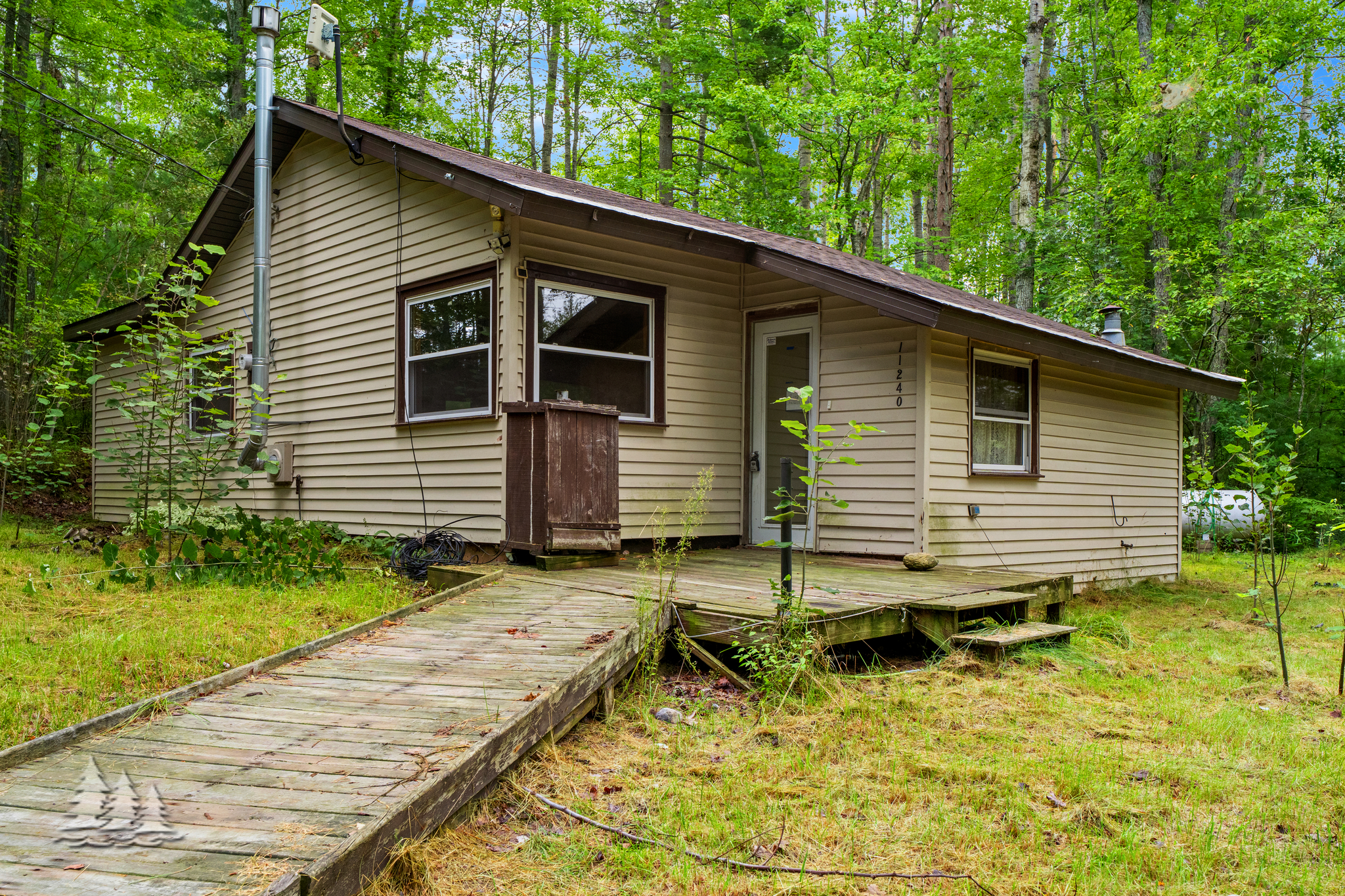
The U.S. Department of Housing and Urban Development (HUD) likewise sells its homes as-is, does not warrant their condition, and urges prospective buyers to obtain a professional inspection before submitting an offer. These policies make it especially important to understand what you are purchasing and what expenses may follow. [5]
“As-is” should not be treated as a reason to skip due diligence. Fannie Mae’s buyer-agent guidance, for example, describes an inspection period in its purchase agreement. Buyers should verify the rights and deadlines in their own contract rather than assume every seller offers the same protections. [6]
◆◆◆
How can title work and financing affect closing?
Title problems can affect any home purchase. Fannie Mae explains that a title search checks public records for issues such as unpaid property taxes, liens, or incorrectly recorded documents, and that outstanding issues can delay closing. A foreclosure history is a reason to ask informed questions, not proof that the property has a title defect. [7]
Buyers using a mortgage also need to satisfy their lender’s requirements. For mortgages covered by the Closing Disclosure rules, the buyer must receive that disclosure at least three business days before closing. Purchasing a repossessed home does not remove that review period. [8]
An accepted offer is therefore an important milestone, but it does not mean every requirement for closing has been completed.
◆◆◆
How long does it take to close on a foreclosed home in Michigan?
There is no single closing timeline for every bank-owned home in Michigan. Timing depends on the seller’s requirements, the purchase contract, title work, and the buyer’s financing. A repossession does not automatically take longer than a traditional sale, but unresolved requirements can affect the closing date. [1, 3, 7, 8]

If an unresolved issue changes the schedule, patience means allowing time for the necessary work while staying informed. Ask what remains outstanding, who is responsible for the next step, and when another update is expected.
Patience also means respecting deadlines. Fannie Mae’s HomePath instructions require an amendment form for requested changes such as a closing-date extension. Buyers should never assume that continuing to discuss a purchase automatically changes the written agreement. [9]
As a practical precaution, confirm the status of closing and possession before making firm moving arrangements or scheduling work at the property. Ask your lender how a scheduling change could affect your rate lock or costs.
◆◆◆
How a closing coordinator helps with a bank-owned home purchase
For Huston Real Estate, a dedicated closing coordinator provides a central point for tracking paperwork, following up with the parties involved, and keeping clients informed about outstanding items.
That support is especially useful when a transaction requires repeated follow-up. Clear updates can help buyers understand the difference between a task that is being handled and a problem that requires their decision.
A coordinator cannot control an institutional seller’s response time, resolve legal questions, or guarantee a closing date. The value is in organization, communication, and helping the transaction keep moving as requirements are addressed.
Buying a repossessed home calls for clear expectations from the beginning. Understand the seller’s terms, investigate the property, protect your deadlines, and allow room for the process to unfold. With patient buyers and proactive communication, a complicated transaction can feel more manageable.
◆◆◆
Frequently asked questions about buying a foreclosure in Michigan
Do all bank-owned homes need repairs?
No. HUD states that not every HUD home needs repairs. Evaluate the individual property rather than assuming its condition based on its ownership history. A professional inspection can help you understand potential concerns. [5]
Does buying a bank-owned home mean waiting through Michigan’s redemption period?
Not automatically. The redemption period is part of the foreclosure process following a sheriff’s sale. Purchasing an already institution-owned listing is a different transaction. Confirm the property’s legal status with the title company or a Michigan real estate attorney. [2]
Can the closing date on an REO home purchase be extended?
An extension may be requested, but buyers should not assume it is approved. Follow the seller’s contract and amendment procedures. Fannie Mae’s HomePath instructions, for example, direct agents to use its amendment form when requesting a closing-date extension. [9]
Considering foreclosed homes Up North?
Huston Real Estate has recently handled repossession listings and understands the importance of organized follow-up. If you are considering purchasing a foreclosed home in Lewiston, Atlanta, Johannesburg, or the surrounding Northern Michigan area, our team can help you understand the listing’s requirements and coordinate the steps toward closing.
Looking at a bank-owned home in Northern Michigan? Call 989.786.2240 or start here:
Huston Real Estate — Your Up North Experts
Sources
Research checked November 3, 2026. Seller-program examples are specific to the named institution.
- Fannie Mae, HomePath FAQ
- MSHDA, Stages of Foreclosure
- Fannie Mae, The Closing Process
- Fannie Mae, Making an Offer
- HUD, How To Sell HUD Homes
- Fannie Mae, Buyer’s Agent Resources
- Fannie Mae, Understanding the Title Process
- CFPB, When do I get a Closing Disclosure?
- Fannie Mae, HomePath Online Offer Tips (amendments, page 15)
- Fannie Mae, What We Do
- USAGov, Fannie Mae
Huston Real Estate – Your Up North Experts | 989-786-2240 | www.northerncabins.com


