
What the 2025 Ice Storm Revealed About Living in Lewiston, Michigan
The March 2025 Ice Storm & the Strength of a Northern Michigan Community
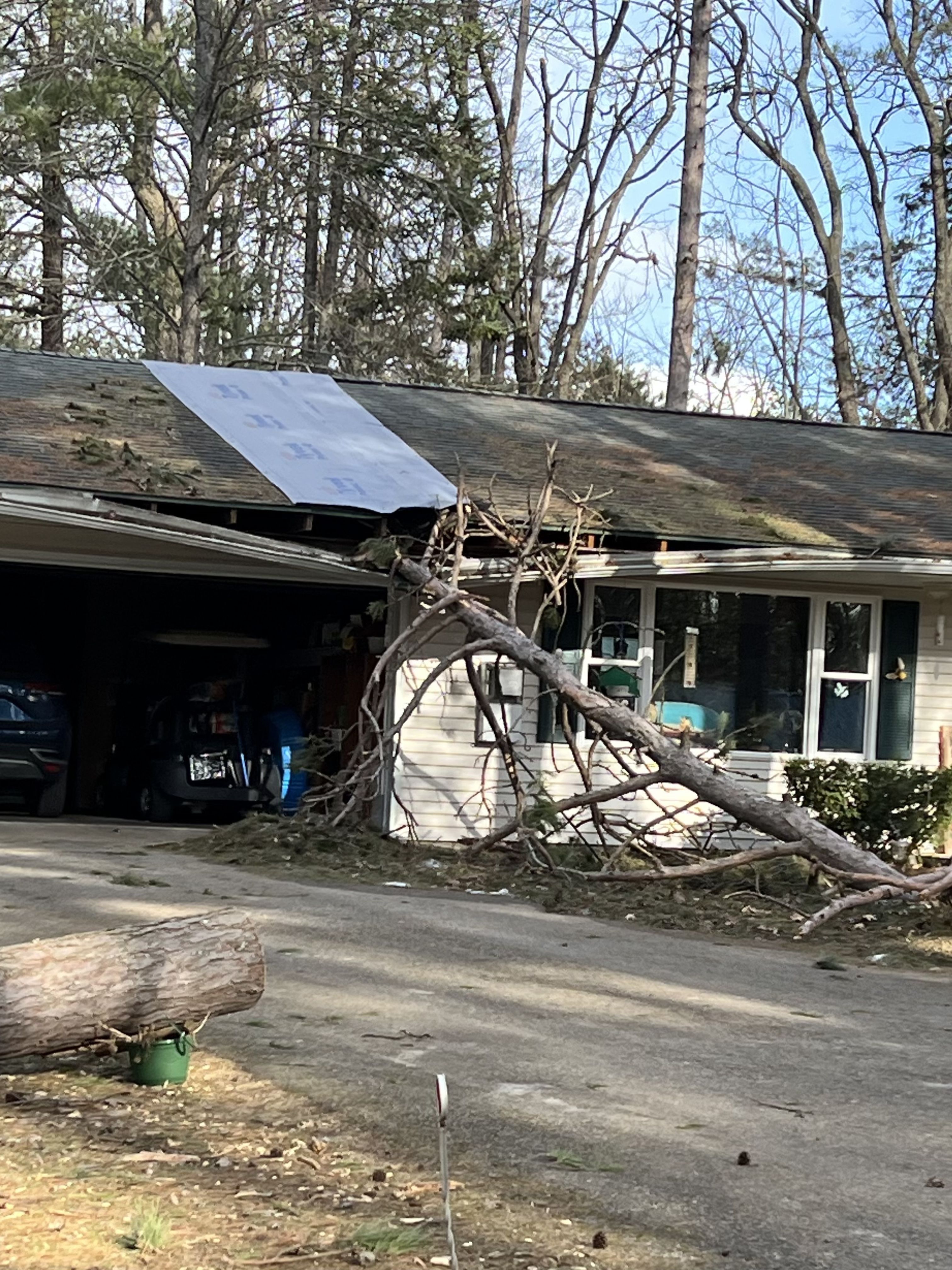
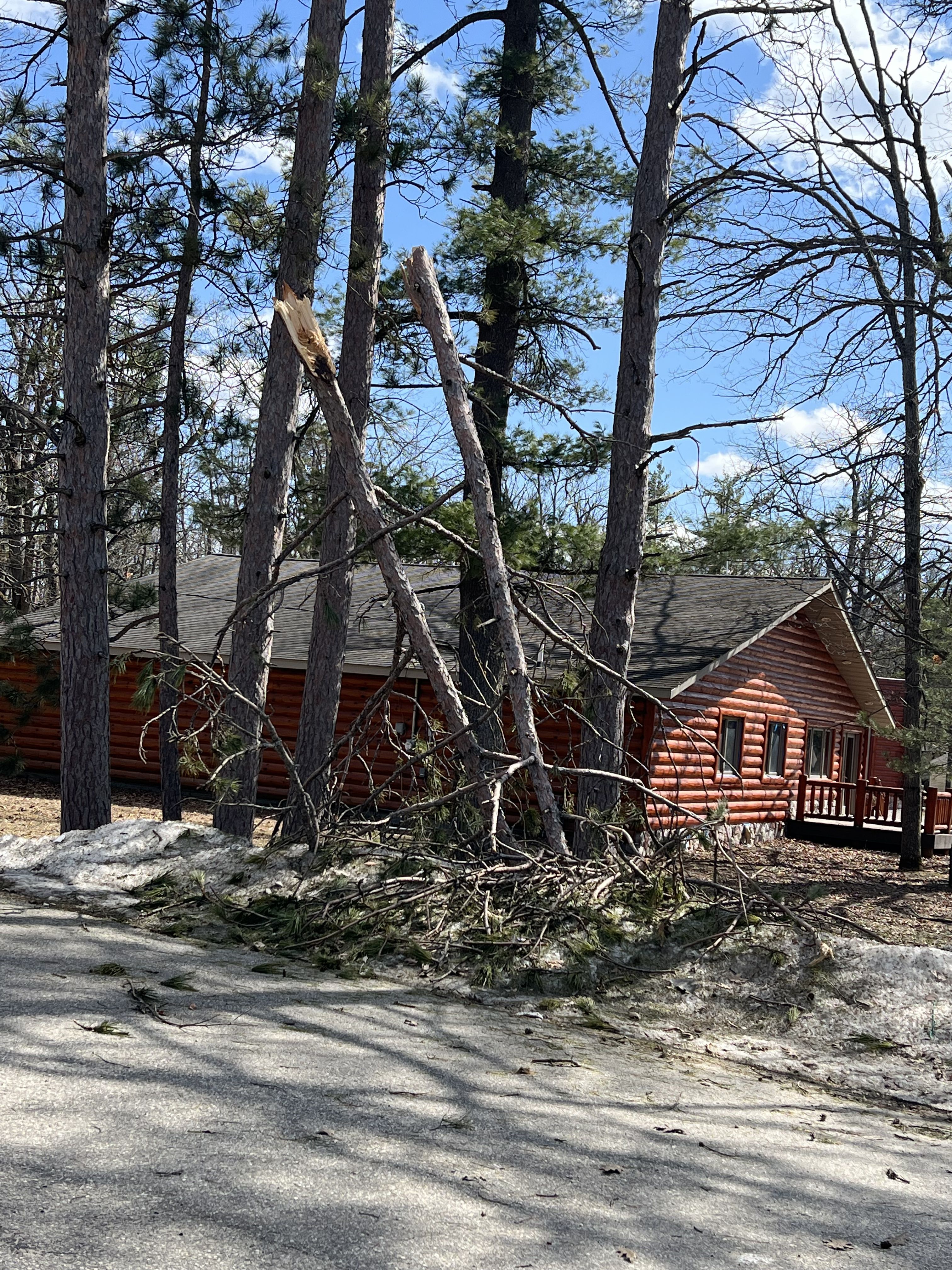
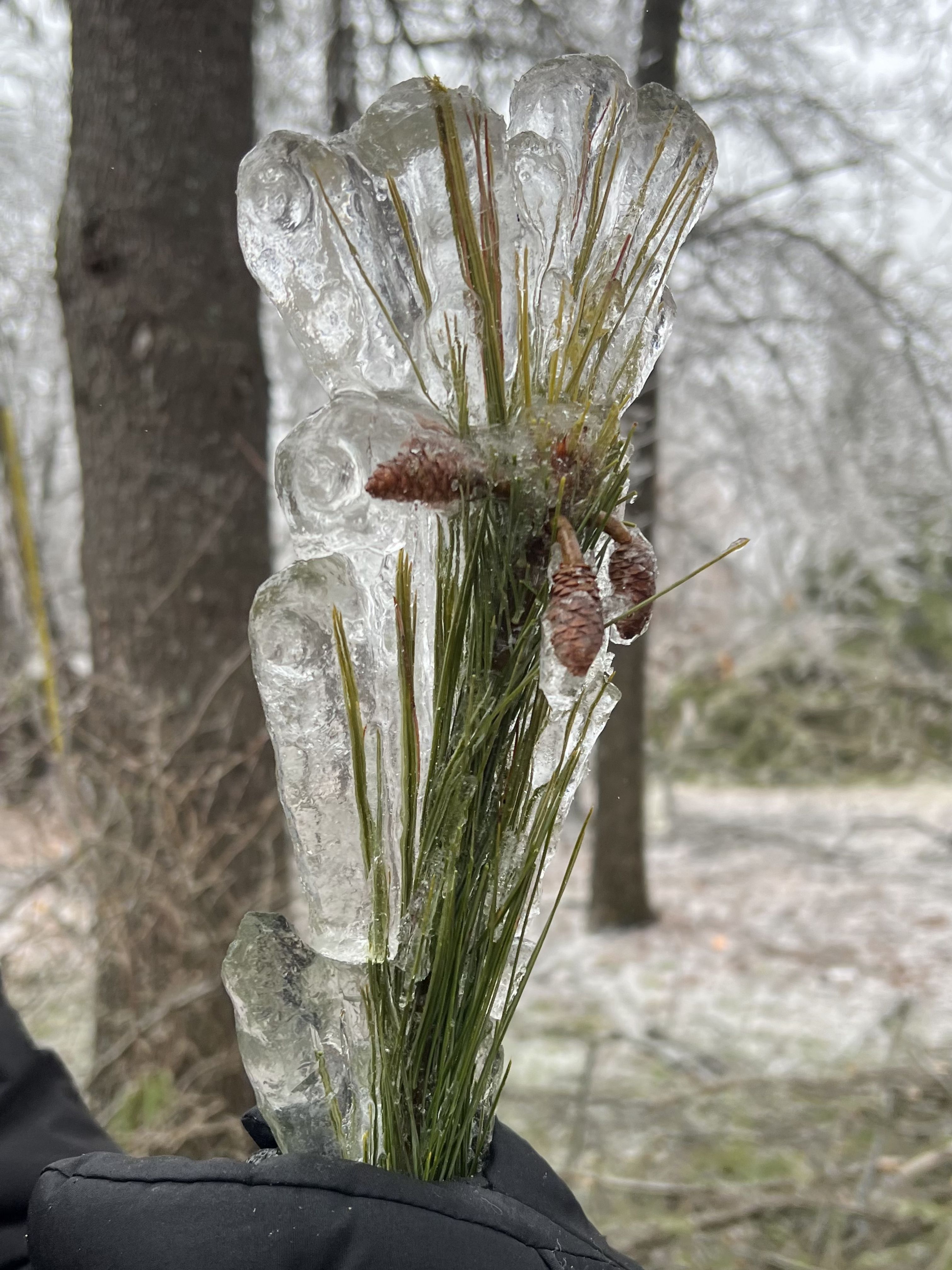
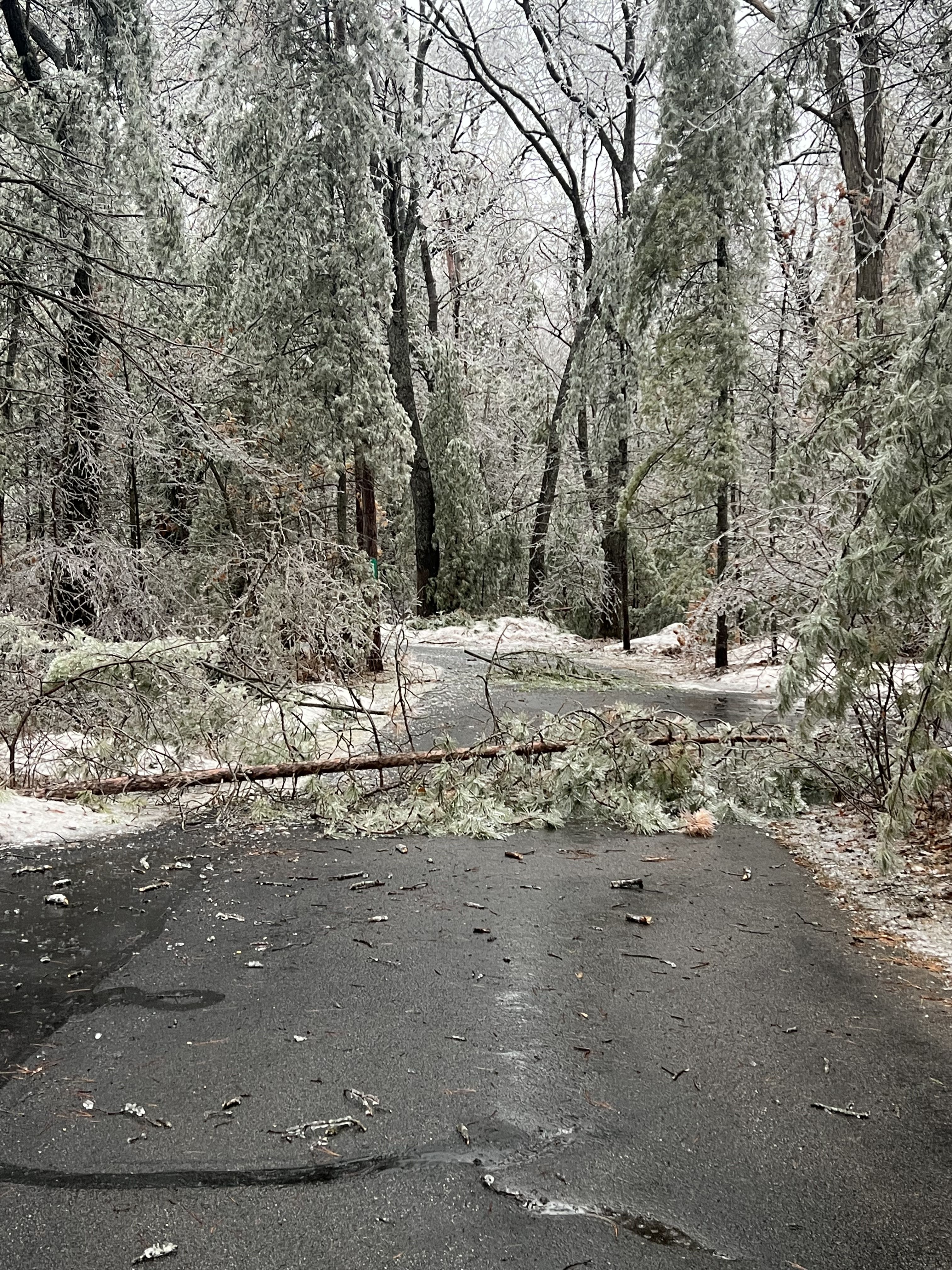
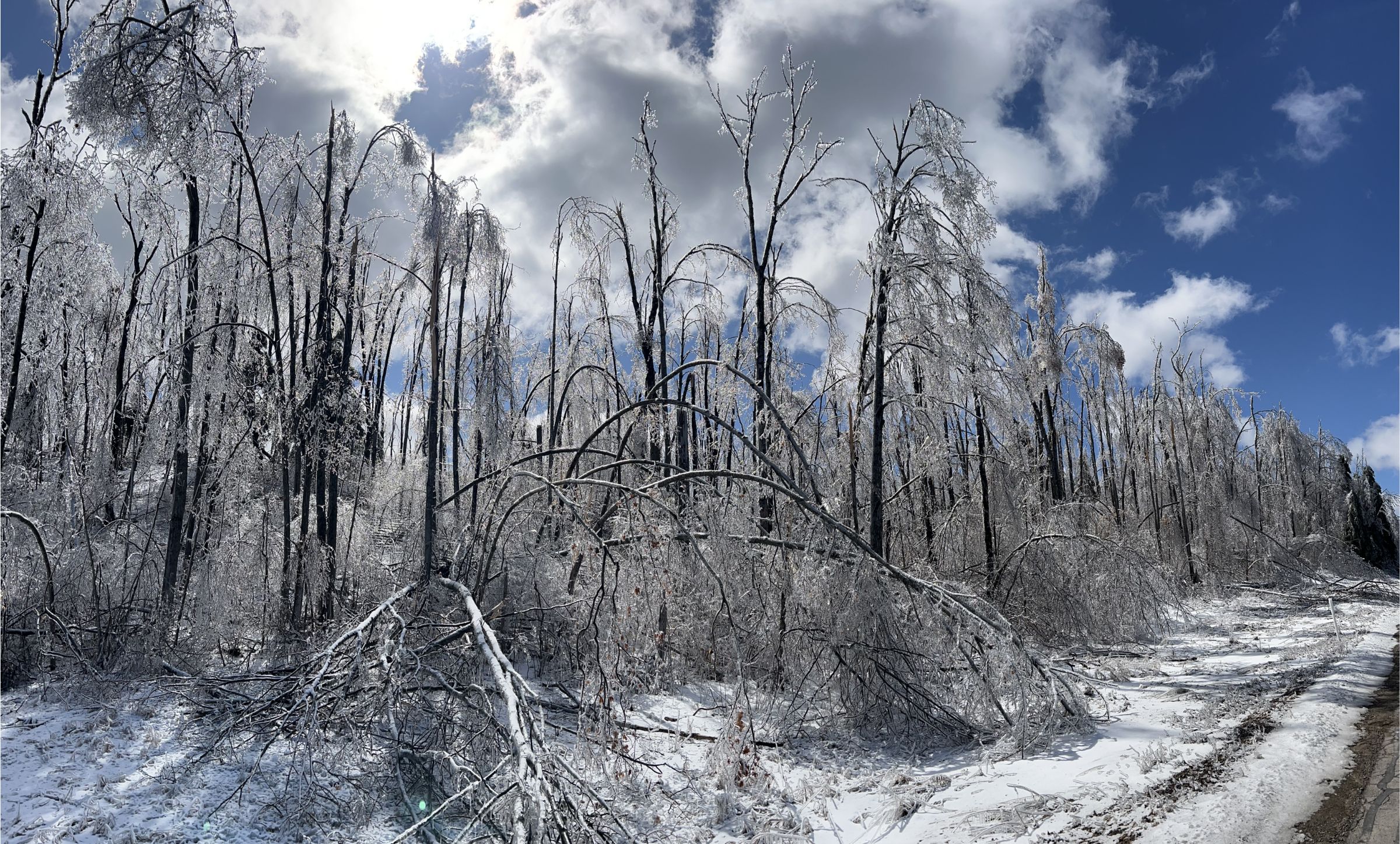
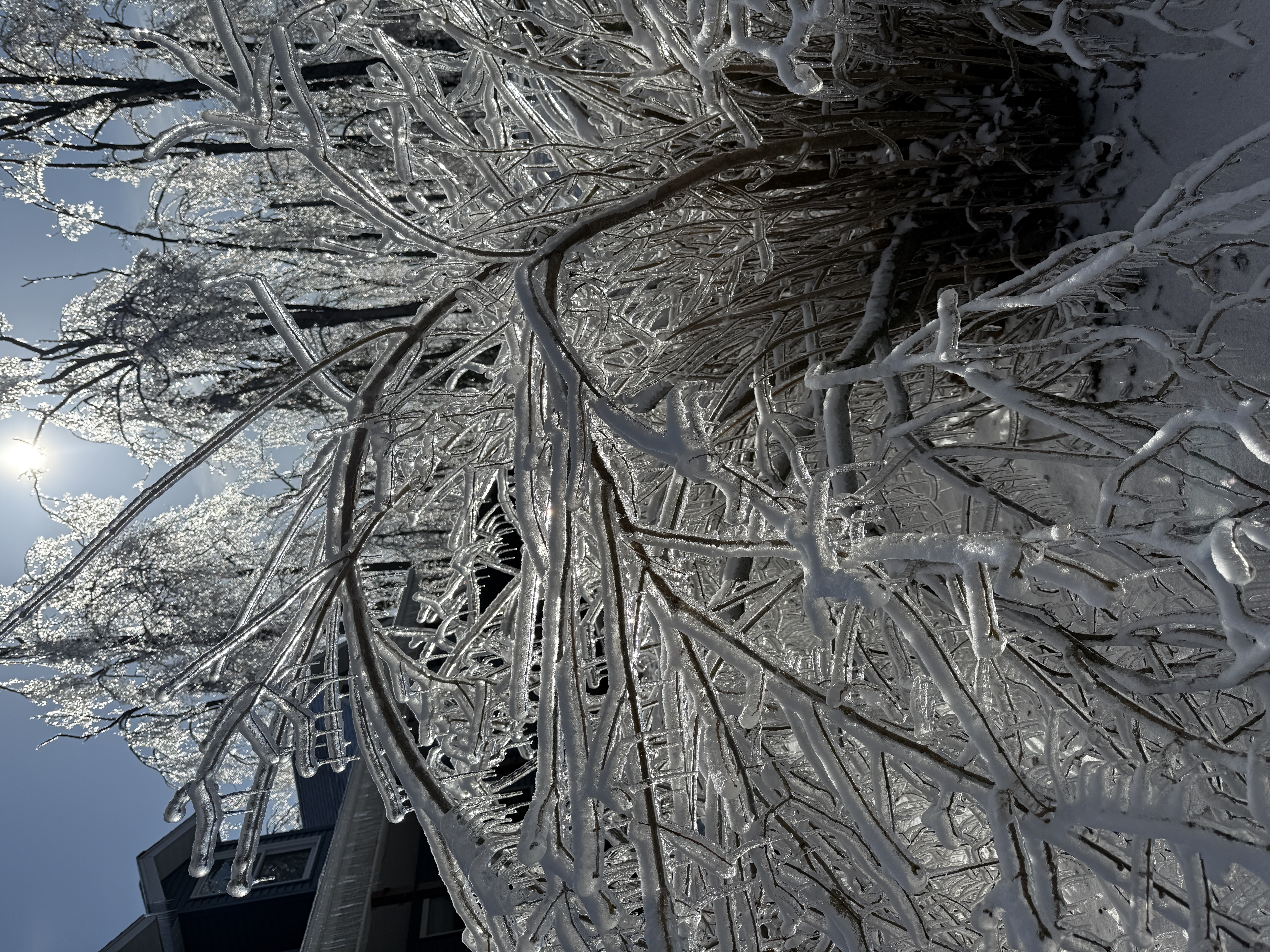
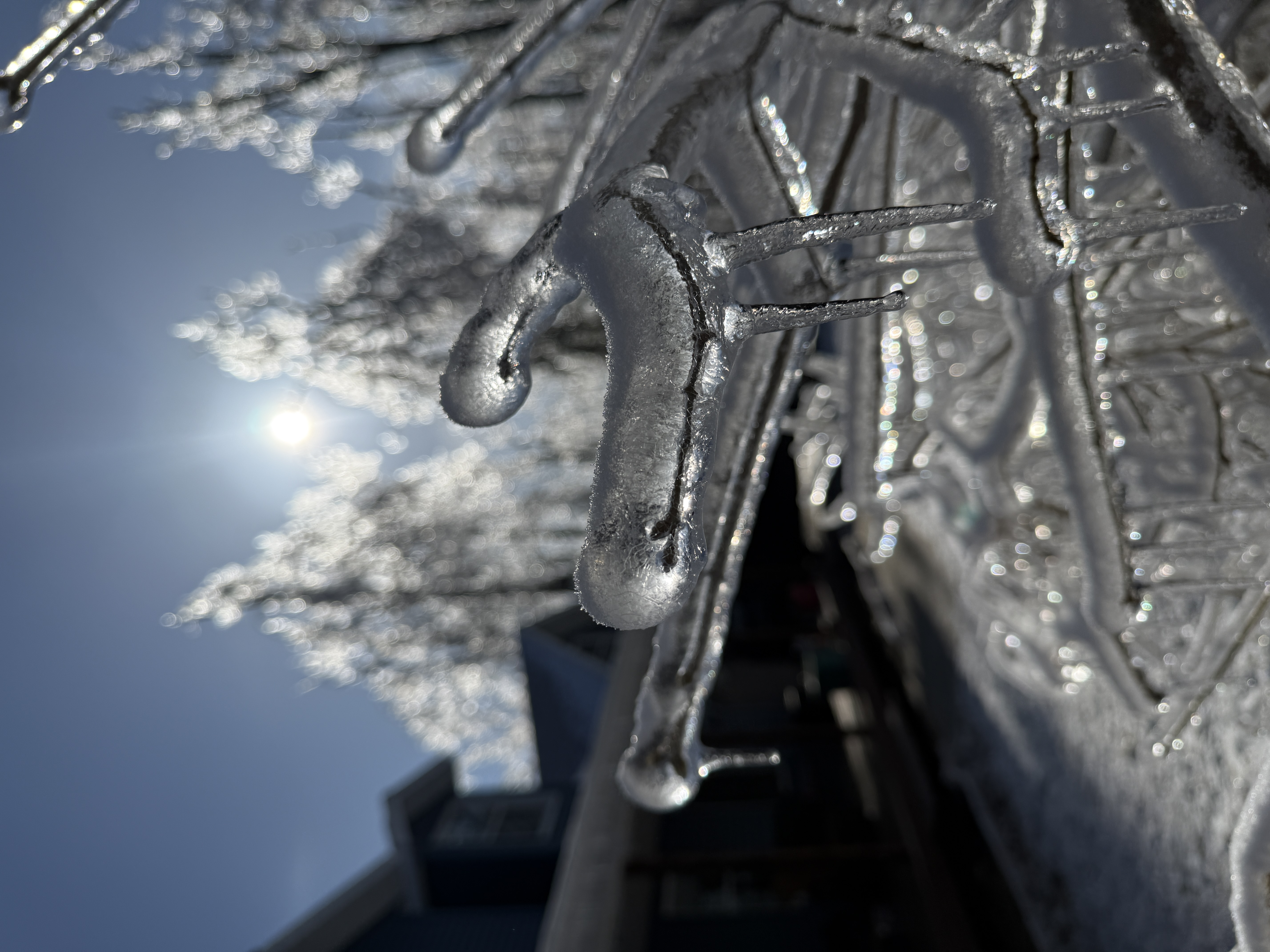
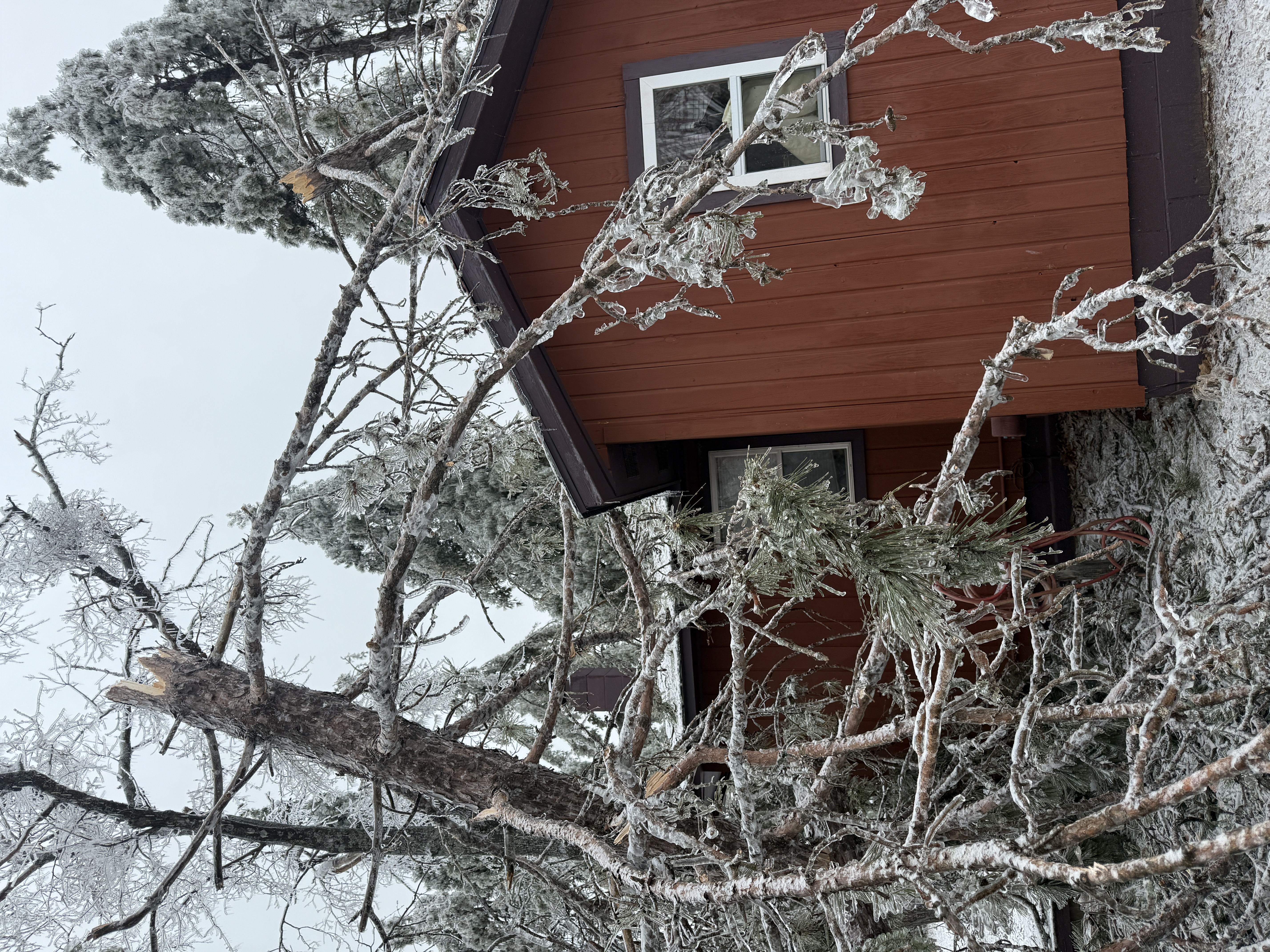
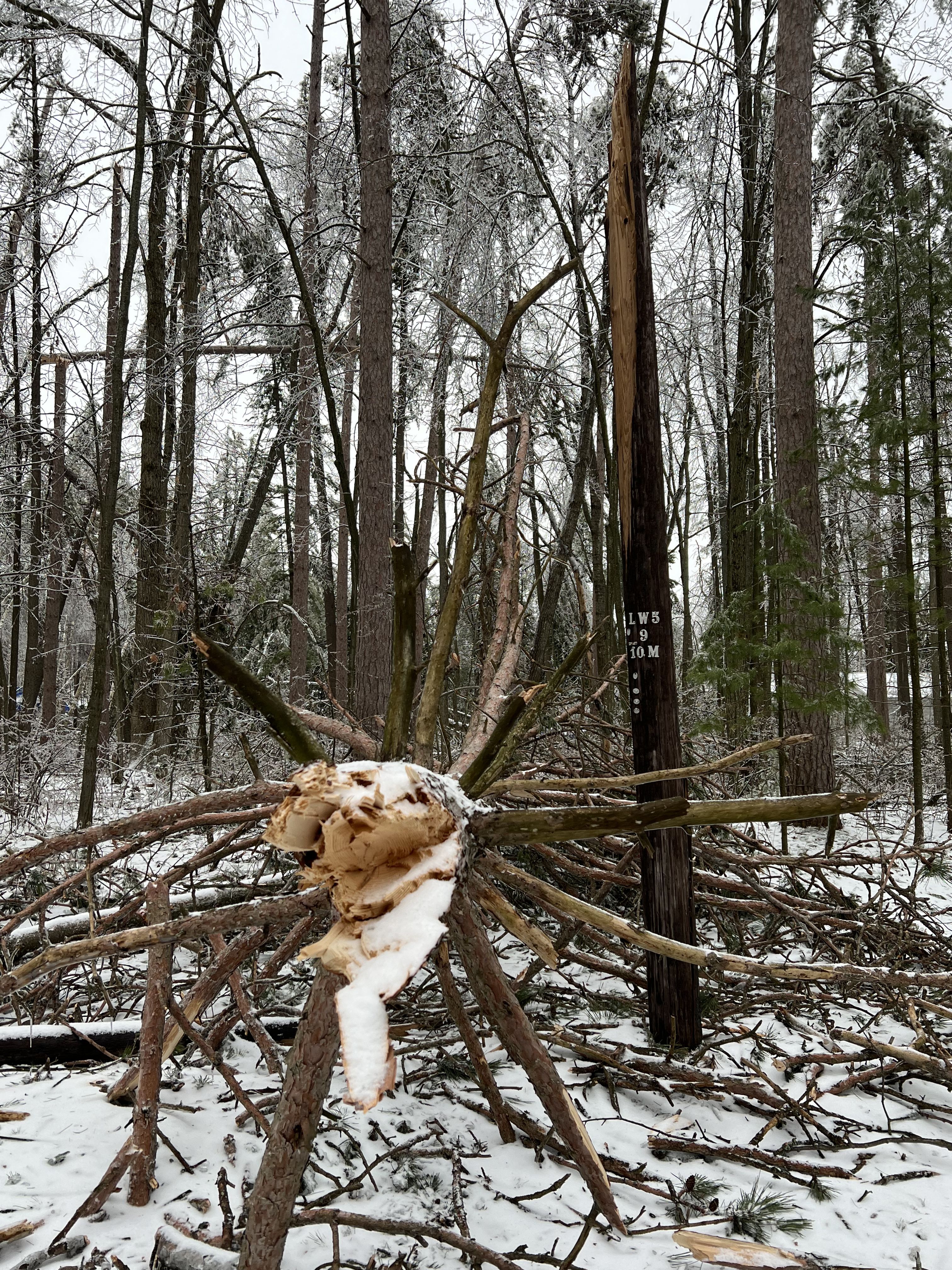
In late March of 2025, Northern Michigan experienced one of the most destructive natural disasters in its recorded history. For nearly 60 hours, freezing rain coated everything in ice—knocking out power for nearly 200,000 people, blocking thousands of miles of roads, and cutting entire communities off from communication and essential services.
But for those who call Lewiston home, the storm didn’t define this place. What happened after did.
The Scale of What Northern Michigan Faced
The numbers from the March 2025 ice storm are staggering. Ice accumulation reached up to an inch thick, placing immense weight on trees, power lines, and structures across the region. Nearly 200,000 people lost power, with some residents going without electricity for 17 days or longer. More than 3 million acres were impacted—including nearly 919,500 acres of state forest land—and thousands of miles of roads became blocked or impassable, leaving communities like Lewiston, Atlanta, and Johannesburg cut off from the outside world (MLive, 2026).
The power grid alone required a rebuild unlike anything the region had seen: approximately 2,800 utility poles repaired or replaced, nearly 900 transformers replaced, and more than 3,800 miles of power lines restored. Crews invested over 400,000 hours of labor into recovery efforts, with total costs exceeding $150 million (Presque Isle Electric & Gas Co-op, 2025).
This wasn’t just a storm. It was a complete disruption of daily life across Northern Michigan.
And yet—that’s not what people here remember most.
In Lewiston, when the ice came down and the lights went out, people didn’t wait for direction. They already knew what to do.
Before the Reports, There Were People
Long before the statistics and the headlines, there was a decision.
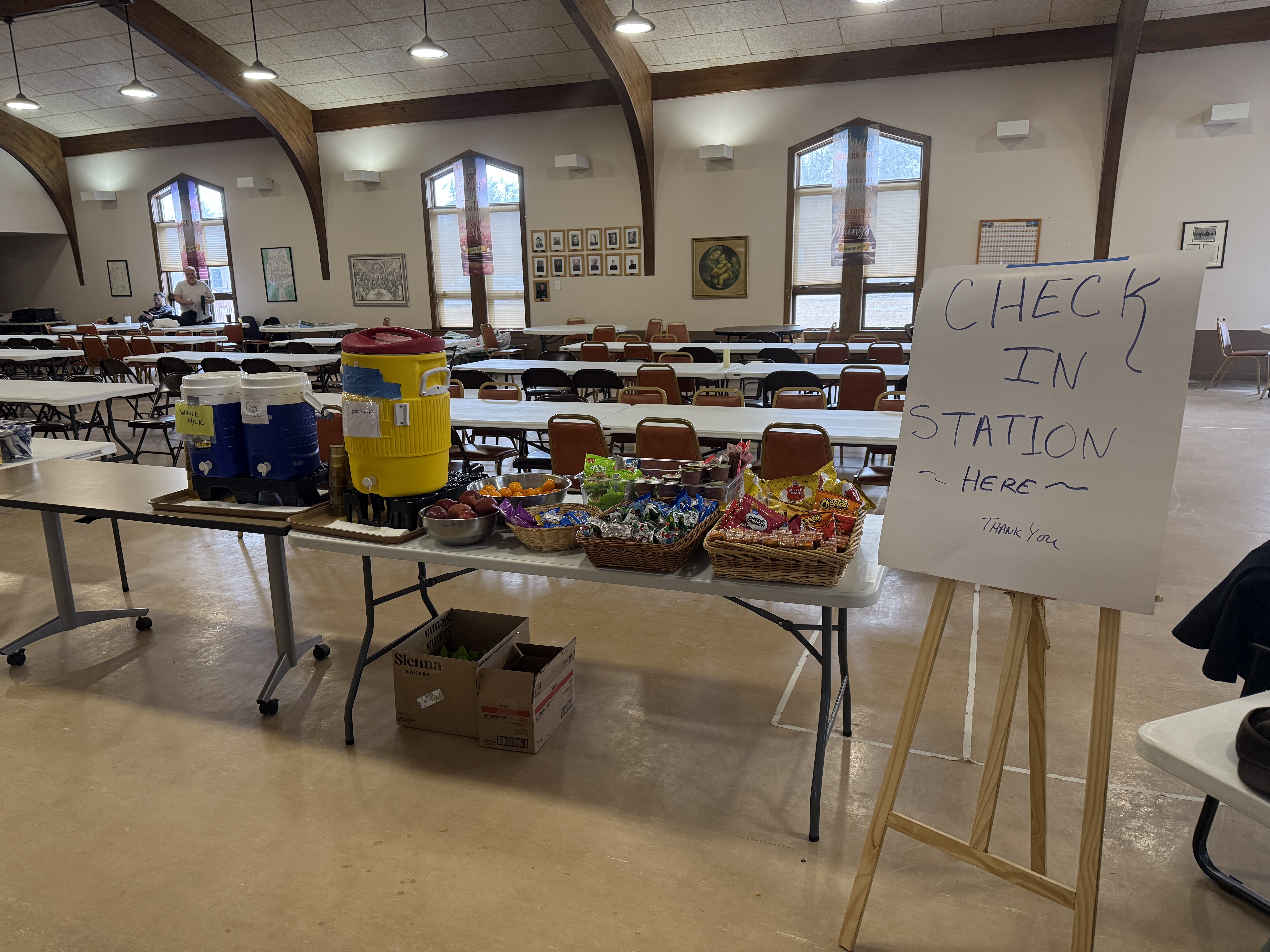
At 10:25 that morning, as the storm was still unfolding, the doors at St. Francis were opened. No hesitation. No formal plan. Just a simple message: Come in. We have heat. We have water. You’re welcome here.
By that evening, the location had been officially recognized as an emergency shelter. But the truth is, Lewiston didn’t wait for official. It was already happening (St. Francis Catholic Church, 2025).
What followed didn’t belong to a single building, organization, or group. It belonged to the community.
There was no structured system in place. No pre-assigned roles. No step-by-step emergency plan guiding the response.
Instead, there was something far more powerful.
People showed up.
- Teenagers arrived on the very first night, ready to help
- Volunteers stepped into whatever role was needed
- Neighbors who came in for warmth stayed to serve others
It wasn’t coordinated. It was instinct.
When Local Businesses Became Lifelines
In the middle of it all, local businesses in and around Lewiston didn’t just stay open—they stepped up.
- The local hardware store opened its doors without power, ensuring residents still had access to tools and supplies needed to clear debris and make repairs
- The Lewiston Hotel Bar and Grill welcomed community members who needed a place to shower
- The local laundromat offered free laundry, restoring a sense of normalcy when routines had been completely disrupted
- Talley’s became more than a restaurant—it became a hub for meals, bottled water, and essential supplies when access elsewhere was limited
And across Lewiston, many more businesses quietly found ways to help, adapting in real time to meet whatever need was directly in front of them.
The Stories That Define Lewiston, Michigan
As incredible as the organized efforts were, what happened on a smaller, more personal level is what truly defines this Up North community.
Stories surfaced—hundreds of them.
- Neighbors checking on neighbors, even when roads were difficult to pass
- People making their way to homes where someone might be stuck—clearing trees just to make sure they were okay
- Strangers showing up for strangers, offering comfort, supplies, and support
There were residents who couldn’t leave their homes—and others who made it their mission to reach them anyway. Seasonal property owners returned with truckloads of supplies—water, fuel, and essentials that were suddenly hard to access locally.
No one was keeping track. No one was waiting to be asked. They just did it.
Local response insights highlight that what made Lewiston remarkable wasn’t just the help—it was how natural it felt (Montmorency County Emergency Management, 2025).
.jpg)
Inside the Response: What Happened at St. Francis of Assisi Catholic Church
While numbers can’t fully capture what happened inside those walls, the scale of the St. Francis of Assisi Catholic Church shelter response speaks for itself.
Dozens of people found temporary shelter, and dozens more simply found a place to breathe and feel less alone. Because this wasn’t just about warmth and food. It was about care (St. Francis Catholic Church, 2025).
Continued Support Through Recovery
As the immediate crisis began to ease and power was slowly restored across Northern Michigan, the response didn’t stop. It evolved.
Organizations like Lewiston Cares stepped in to provide ongoing, sustained relief as the community worked through the long tail of recovery:
- 2,569+ gallons of gas distributed to residents in need
- 893 gas cards provided
- 236 propane fuel cards issued
- Food support and free laundry services extended throughout recovery
In Lewiston, support doesn’t stop when the storm passes (Lewiston Cares, 2025).
What Grew After the Storm
Even more powerful than the response itself is what remained afterward.
The connections. The awareness. The understanding that this Up North community is more than a place—it’s a network of people who look out for one another.
Neighbors who had never met before are now familiar faces. There’s a deeper awareness of who might need help—and who is ready to give it. And that doesn’t disappear when the power comes back on.
Conversations with local emergency management and community leaders show that this storm didn’t just expose vulnerabilities—it created momentum for better systems, improved communication, and stronger coordination across communities like Lewiston, Atlanta, and Johannesburg moving forward (Montmorency County Emergency Management, 2025).
Lewiston isn’t just recovering. It’s preparing.
More Than a Moment—A Mindset
What the March 2025 ice storm revealed is that Lewiston’s sense of community isn’t situational. It’s foundational. It doesn’t appear only in crisis. It’s already there.
The storm didn’t create it. It revealed it.
If you ask what draws people to Northern Michigan, you’ll hear about the lakes, the trails, and the quiet pace of life Up North. But what keeps people in places like Lewiston—and draws others in—is something deeper. A sense of belonging. A place where people show up for one another. A place where, even in the hardest moments, you’re not alone.
The numbers will always be part of this story. But they are not what defines it. What defines Lewiston is what happened after the ice came down—the way people showed up, the way they stayed, and the way this community came out of it stronger, closer, and more connected than before.
Because here, community isn’t just something you talk about. It’s something you live.
Sources
- MLive. (2026). A year after Michigan’s worst ice storm, the numbers tell the story of damage and recovery.
- Presque Isle Electric & Gas Co-op. (2025). 2025 Ice Storm Recovery Summary & Financial Impact.
- St. Francis Catholic Church. (2025). Volunteer accounts and shelter data from March 2025 ice storm.
- Lewiston Cares. (2025). Community relief data and assistance totals.
- Montmorency County Emergency Management. (2025). Post-storm response notes and preparedness updates.
Storm Images
:format(webp):quality(80)/u.realgeeks.media/northerncabins/youtube.png)
:format(webp):quality(80)/u.realgeeks.media/northerncabins/pinterest.png)
:format(webp):quality(80)/u.realgeeks.media/northerncabins/facebook.png)
:format(webp):quality(80)/u.realgeeks.media/northerncabins/googleplus.png)
:format(webp):quality(80)/u.realgeeks.media/northerncabins/instagram.png)
:format(webp):quality(80)/u.realgeeks.media/northerncabins/linkedin.png)